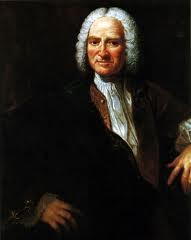
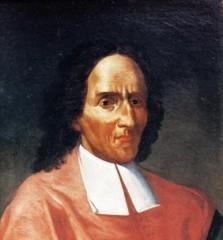
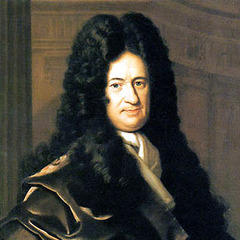
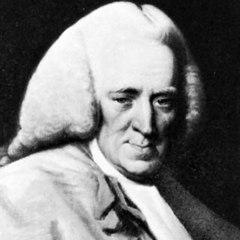
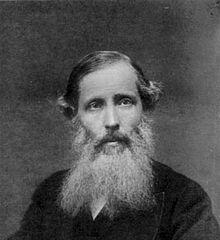
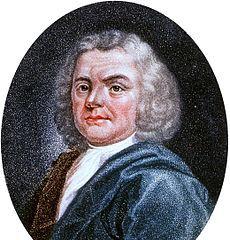
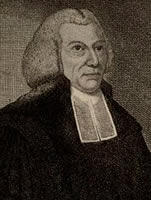
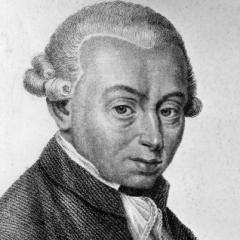
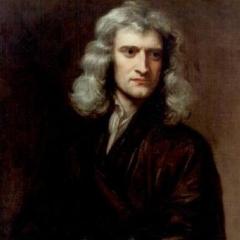
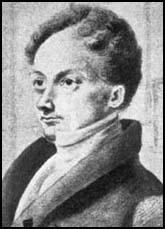
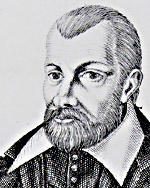
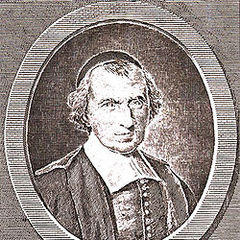
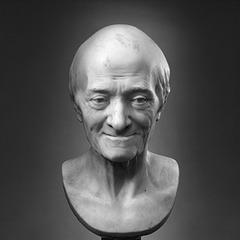
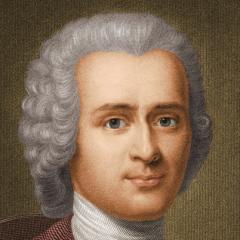
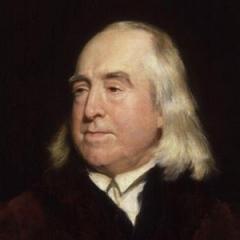
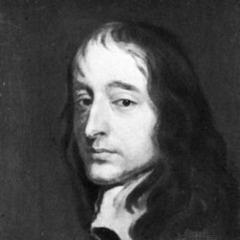
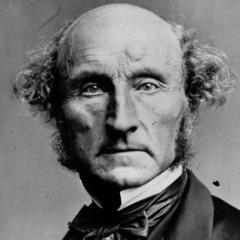
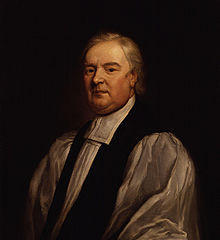
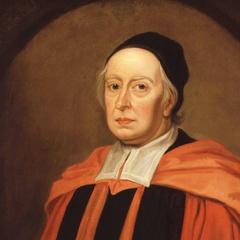
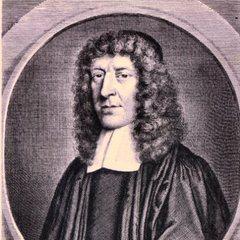
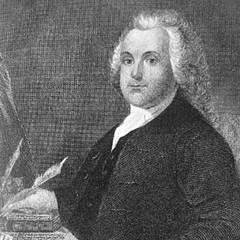
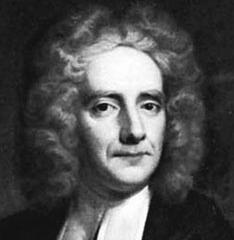
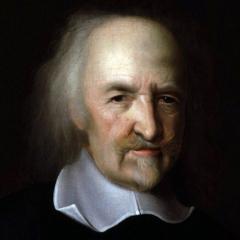
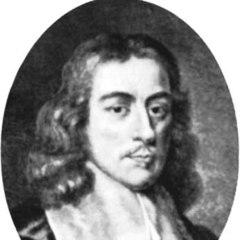
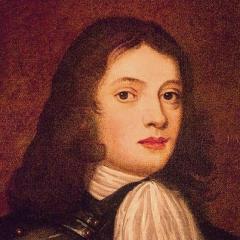
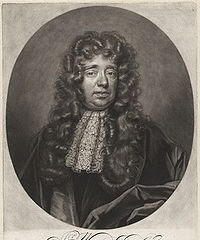
John Locke Quotes:
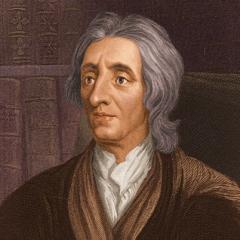
Ocupation: Philosopher
Life: August 29, 1632 - October 28, 1704
Birthday: August 29
Death: October 28
famous quotes
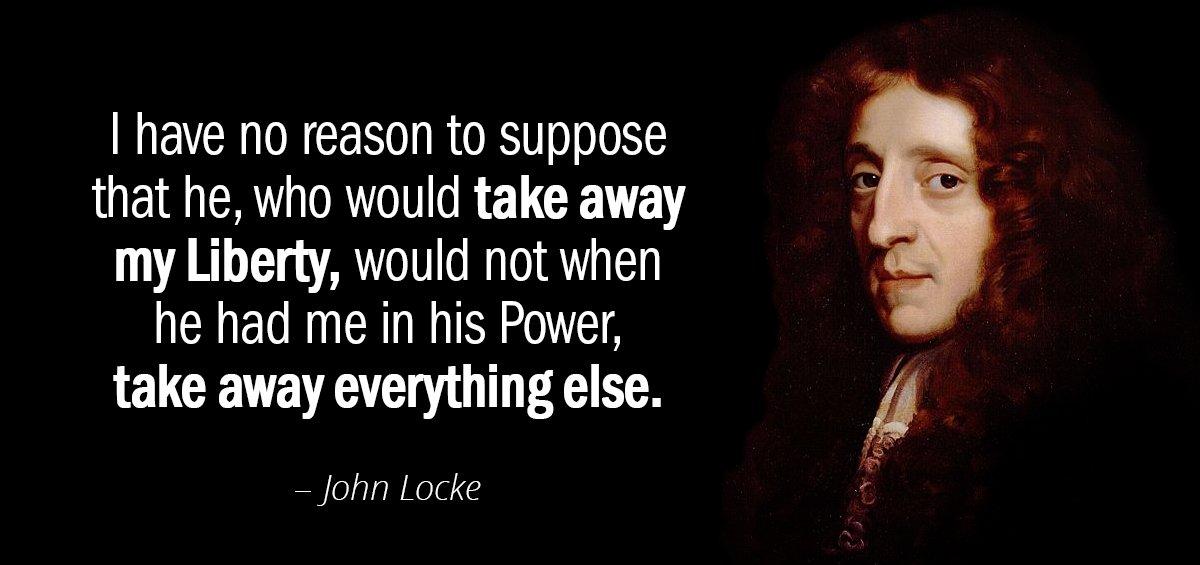
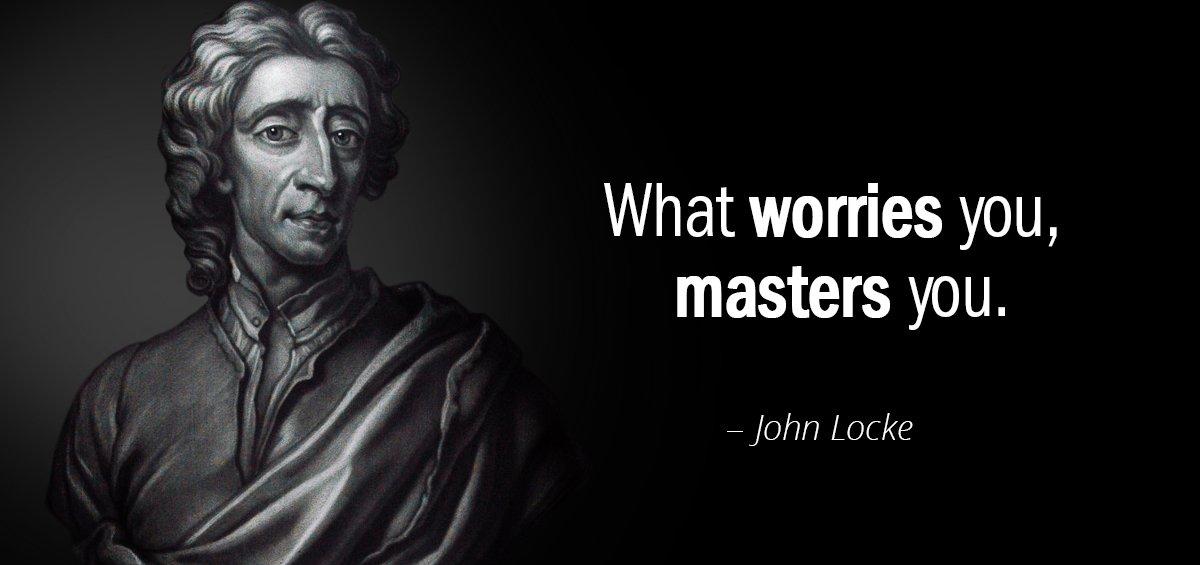
As people are walking all the time, in the same spot, a path appears.
Topics: Inspirational, Philosophical, Walking Away, Enlightenment Thinkers
Topics: Children, Philosophical, Men
Topics: Business, War, Creativity, Conformist, Questioning Beliefs
I have always thought the actions of men the best interpreters of their thoughts.
source: - John Locke (1825). “An Essay Concerning Human Understanding: An analysis of Mr. Locke's Doctrine of ideas .... A defense of Mr. Locke's Opinion concerning personal identity .... A treatise on the conduct of the understanding. Some thoughts concerning reading and study for a gentleman. Elements of natural philosophy. A new method of a common place book. Extracted from the author's works. With a life of the author”, p.45
Topics: Motivational, Honesty, Integrity, Interpreter, Words And Actions
Topics: Love, Pregnancy, Might, Neighbor Love
Every man has a property in his own person. This nobody has a right to, but himself.
source: - John Locke, John W. Yolton (1977). “The Locke Reader: Selections from the Works of John Locke with a General Introduction and Commentary”, p.289, CUP Archive
Topics: Self Esteem, Philosophical, Men, Individual Rights, Private Property
source: - John Locke (1821). “Two treatises of government”, p.191
Topics: Peace, War, Independent, Individual Rights, Liberty And Equality
source: - John Locke (1821). “Two treatises of government”, p.234
The discipline of desire is the background of character.
Topics: Philosophical, Character, Discipline
No man's knowledge here can go beyond his experience.
Topics: Philosophical, Knowledge, Science, Knowledge Experience, General Knowledge
Government has no other end, but the preservation of property.
Topics: Philosophical, Government, Ends
Topics: Ocean, Serendipity, Sailor, Fathom
Topics: Children, Men, Blessing, Children Of Men, Greatest Blessings
Where all is but dream, reasoning and arguments are of no use, truth and knowledge nothing.
Topics: Dream, Philosophical, Use, Dreams And Aspirations, Truth And Knowledge
Fashion for the most part is nothing but the ostentation of riches.
Topics: Fashion, Philosophical, Riches, Ostentation
Parents wonder why the streams are bitter, when they themselves have poisoned the fountain.
Topics: Philosophical, Parenting, Bitterness, Water Fountain, Parents Love
Topics: Integrity, Men, Balance, Precious Metal
Education begins the gentleman, but reading, good company and reflection must finish him.
source: - "The Book-Lover's Enchiridion" by Alexander Ireland, (p. 94), 1884.
Topics: Inspirational, Education, Reading, Reflecting, Good Food Good Company
Fortitude is the guard and support of the other virtues.
Topics: Philosophical, Support, Fortitude, Intestinal Fortitude
Topics: Truth, Honesty, Perfection, Truth Love
Topics: Inspirational, Philosophical, Taken
Reverie is when ideas float in our mind without reflection or regard of the understanding.
Topics: Dream, Philosophical, Reflection
Topics: Happiness, Two, Mind, Sound Mind, Sound Body
The reason why men enter into society is the preservation of their property.
Topics: Men, Reason, Preservation, Property Rights, Private Property
The only fence against the world is a thorough knowledge of it.
Topics: Education, Wisdom, Philosophical, Thorough Knowledge, Thorough Understanding
Topics: Men, Littles, Information
Topics: Government, Law, People
Topics: Teaching, Learning, Technology
Not time is the measure of movement but: ...each constant periodic appearance of ideas.
Topics: Ideas, Movement, Time Management
Topics: Real, Simple, Views, Simple Ideas
Topics: Ideas, Delight, Produce, Reflecting Upon
Things of this world are in so constant a flux, that nothing remains long in the same state.
Topics: Philosophical, Long, World
Topics: Education, Truth, Philosophical
There cannot be greater rudeness than to interrupt another in the current of his discourse.
Topics: Communication, Rude, Currents
The dread of evil is a much more forcible principle of human actions than the prospect of good.
Topics: Philosophical, Evil, Perspective, Good Against Evil
Topics: People, Trying, Needs, Endless Time
Topics: Independent, Equality, Men
source: - John Locke, David Wootton (1993). “Locke: Political Writings”, p.270, Hackett Publishing
Topics: Second Amendment, Liberty, Reason
The most precious of all possessions is power over ourselves.
Topics: Discipline, Self Discipline, Possession
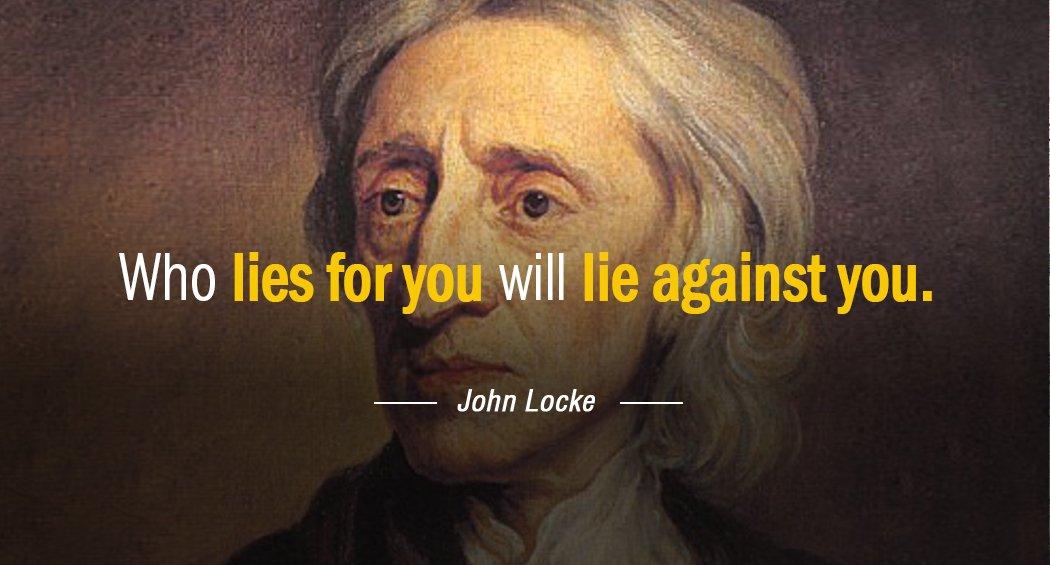
Who lies for you will lie against you.
Topics: Truth, Honesty, Lying, Lies Truth, Dishonesty And Lying
source: - John Locke (1947). “Two Treatises of Government: With a Supplement, Patriarcha, by Robert Filmer”, p.233, Simon and Schuster
Topics: Freedom, War, People, Limited Freedom, Legislators
Wherever Law ends, Tyranny begins.
source: - Second Treatise of Civil Government ch. 18, sec. 202 (1690)
Topics: Law, Ends, Tyranny, Personal Liberty
Topics: Wisdom, Gun, Men, Inalienable Rights, Duty To God
Liberty is to be free from restraint and violence from others
source: - John Locke (1821). “Two treatises of government”, p.234
Topics: Government, Libertarian Party, People, Limited Freedom, Unlawful
The visible mark of extraordinary wisdom and power appear so plainly in all the works of creation.
source: - John Locke (1836). “An Essay Concerning Human Understanding”, p.40
There are a thousand ways to Wealth, but only one way to Heaven.
source: - John Locke (2012). “The Second Treatise of Government and A Letter Concerning Toleration”, p.153, Courier Corporation
Where there is no law there is no freedom.
source: - John Locke (1821). “Two treatises of government”, p.234
Reason must be our last judge and guide in everything.
source: - John Locke (1836). “An Essay Concerning Human Understanding”, p.538
source: - John Locke (2016). “Second Treatise of Government and a Letter Concerning Toleration”, p.103, Oxford University Press
Topics: Taken, Individual, Unlawful
source: - John Locke (2012). “The Second Treatise of Government and A Letter Concerning Toleration”, p.126, Courier Corporation
Topics: War, Rights, Ties, Aggressors
Knowledge is grateful to the understanding, as light to the eyes.
source: - John Locke (1778). “Some Thoughts Concerning Education”, p.178
source: - John Locke (1813). “The Conduct of the Understanding: With Sketches of the Lives of Locke and Bacon”, p.128
Topics: Men, Self, Liberty, Power Over Others
source: - John Locke (1824). “The Works of John Locke: In Nine Volumes”, p.317
Topics: Thinking, Ideas, Mind, Thoughts And Thinking
source: - 1681 Second Treatise on Civil Government (published anonymously1690).
Topics: Men, Rules To Live By, Liberty
source: - John Locke (1813). “An Essay Concerning Human Understanding”, p.300
Topics: Practice, Perfection, Mind, Power Of The Mind
source: - John Locke, Peter Laslett (1988). “Locke: Two Treatises of Government Student Edition”, p.400, Cambridge University Press
source: - John Locke (1867). “Letters on Toleration”, p.7
Firmness or stiffness of the mind is not from adherence to truth, but submission to prejudice.
source: - John Locke (1828). “An essay concerning human understanding ... The twentieth edition, etc”, p.560
He that uses his words loosely and unsteadily will either not be minded or not understood.
source: - John Locke (1836). “An Essay Concerning Human Understanding”, p.371
Topics: Use, Understood
source: - "The works of John Locke. To which is added the life of the author and a collection of several of his pieces, publ. by mr. Desmaizeaux".
Topics: Education, Knowledge, Two, Understanding Others
But there is only one thing which gathers people into seditious commotion, and that is oppression
source: - John Locke (1956). “The Second Treatise of Government: And, A Letter Concerning Toleration”, p.147, Courier Corporation
Topics: People, Oppression, One Thing
God, when he makes the prophet, does not unmake the man.
source: - John Locke (1836). “An Essay Concerning Human Understanding”, p.537
source: - "Some Thoughts Concerning Education" by John Locke, (Sec. 95), 1693.
Topics: Growing Up, Father, Son
source: - John Locke (1752). “Some Thoughts concerning Education ... The eleventh edition”, p.174
A sound mind in a sound body is a short but full description of a happy state in this world.
source: - 1693 Some Thoughts Concerning Education, opening words. See Juvenal 453:20.
Topics: Happiness, Get Well, Health, Sound Mind, Mind Body And Soul
When we know our own strength, we shall the better know what to undertake with hopes of success.
source: - John Locke (1836). “An Essay Concerning Human Understanding”, p.3
Topics: Inspirational, Inspirational Success, Hope Of Success
source: - John Locke (1819). “An essay concerning human understanding. Also, extr. from the author's works, i. Analysis of mr. Locke's doctrine of ideas [&c.].”, p.314
source: - John Locke (1836). “An Essay Concerning Human Understanding”, p.86
Topics: Memories, Sight, Ideas, Imprinting, Revive
If punishment reaches not the mind and makes not the will supple, it hardens the offender.
source: - John Locke, George Berkeley (2010). “Locke, Berkely and Hume”, p.65, Cosimo, Inc.
Topics: Punishment, Mind, Prison, Offenders, Supple
Consciousness is the perception of what passes in man's own mind.
source: - John Locke (1836). “An Essay Concerning Human Understanding”, p.59
Topics: Men, Perception, Mind
Topics: Thinking, Government, Long
Try all things, hold fast that which is good.
source: - John Locke (2007). “Some Thoughts Concerning Education: (Including Of the Conduct of the Understanding)”, p.187, Courier Corporation
Topics: Biblical, Trying, All Things, Hold Fast
source: - John Locke (1821). “Two treatises of government”, p.385
Topics: Men, Hands, Desire, Honest Man
source: - John Locke (1751). “Works”, p.242
Good and evil, reward and punishment, are the only motives to a rational creature
source: - Some Thoughts Concerning Education sec. 54 (1693)
Topics: Philosophical, Punishment, Evil, Reins, Reward And Punishment
Truth, like gold, is not less so for being newly brought out of the mine.
source: - John Locke, James Augustus St. John (1872). “Philosophical Works: Preliminary discourse by the editor. On the conduct of the understanding. An essay concerning human understanding”, p.114
Where there is no desire, there will be no industry.
source: - John Locke, Ruth Weissbourd Grant, Nathan Tarcov (1996). “Some Thoughts Concerning Education: And, Of the Conduct of the Understanding”, Hackett Publishing
Justice and truth are the common ties of society
source: - John Locke (1828). “An Essay Concerning Human Understanding: To which are Now First Added, I. An Analysis of Mr. Locke's Doctrine of Ideas, on a Large Sheet. II. A Defence of Mr. Locke's Opinion Concerning Personal Identity, with an Appendix. III. A Treatise on the Conduct of the Understanding. IV. Some Thoughts Concerning Reading and Study for a Gentleman. V. Elements of Natural Philosophy. VI. A New Method of a Common Place-book Extracted from the Author's Works”, p.35
Topics: Children, Heart, Animal, Killing Others, Abhorrence
source: - John Locke, George Berkeley (2010). “Locke, Berkely & Hume”, p.113, Cosimo, Inc.
Topics: Children, Men, Thinking, Inquisitive
source: - Second Treatise of Civil Government ch. 9, sec. 124 (1690)
source: - John Locke (1836). “An Essay Concerning Human Understanding”, p.179
source: - John Locke (1825). “An Essay Concerning Human Understanding: An analysis of Mr. Locke's Doctrine of ideas .... A defense of Mr. Locke's Opinion concerning personal identity .... A treatise on the conduct of the understanding. Some thoughts concerning reading and study for a gentleman. Elements of natural philosophy. A new method of a common place book. Extracted from the author's works. With a life of the author”
Topics: Art, Lying, Confusing, Repetitive
source: - "Some Thoughts Concerning Education". Book by John Locke, 1693.
source: - 'An Essay concerning Human Understanding' (1690) bk. 4, ch. 19, sect. 4
source: - John Locke (1824). “The Works of John Locke: In Nine Volumes”, p.274
source: - John Locke, John W. Yolton (1977). “The Locke Reader: Selections from the Works of John Locke with a General Introduction and Commentary”, p.63, CUP Archive
Topics: Writing, Imperfection, Difficult
Every man must some time or other be trusted to himself.
source: - John Locke (1778). “Some Thoughts Concerning Education”, p.46
Topics: Inspirational, Trust, Time
source: - John Locke, George Berkeley (2010). “Locke, Berkely and Hume”, p.54, Cosimo, Inc.
Topics: Father, Men, Yield, Steadiness, Precipice
source: - John Locke, John W. Yolton (1977). “The Locke Reader: Selections from the Works of John Locke with a General Introduction and Commentary”, p.279, CUP Archive
The greatest part cannot know, and therefore they must believe.
source: - John Locke (1958). “The Reasonableness of Christianity: With A Discourse of Miracles, and Part of A Third Letter Concerning Toleration”, p.66, Stanford University Press
source: - John Locke (1825). “An Essay Concerning Human Understanding: An analysis of Mr. Locke's Doctrine of ideas .... A defense of Mr. Locke's Opinion concerning personal identity .... A treatise on the conduct of the understanding. Some thoughts concerning reading and study for a gentleman. Elements of natural philosophy. A new method of a common place book. Extracted from the author's works. With a life of the author”
source: - John Locke (1821). “Two treatises of government”, p.312
Topics: Government, Hands, Law, Legislators
Topics: Math, Proof, Diamond, Math Is Like, Mathematical Proof
source: - John Locke, Ruth Weissbourd Grant, Nathan Tarcov (1996). “Some Thoughts Concerning Education: And, Of the Conduct of the Understanding”, Hackett Publishing
source: - John Locke, John Milton (1830). “Some thoughts concerning education”, p.296
Topics: Health, Hands, Useless, Gaining Knowledge
source: - John Locke (2015). “The Second Treatise of Civil Government”, p.141, Broadview Press
Topics: Exercise, Government, Tyranny, Usurpation
source: - John Locke, David Wootton (1993). “Locke: Political Writings”, p.426, Hackett Publishing
Topics: Atheist, Promise, Atheism, God Promises
Is it worth the name of freedom to be at liberty to play the fool?
source: - John Locke, James Augustus St. John (1872). “Philosophical Works: Preliminary discourse by the editor. On the conduct of the understanding. An essay concerning human understanding”, p.391
source: - John Locke (2017). “Delphi Complete Works of John Locke (Illustrated)”, p.1518, Delphi Classics
source: - An Essay Concerning Human Understanding bk. 2, ch. 1, sec. 2 (1690)
Topics: Knowledge, Character, Science, White Paper
It is labour indeed that puts the difference on everything.
source: - John Locke (1821). “Two Treatises on Government”, p.221
Topics: Differences, Labor Day, May Day, Labor Day Wishes, Labour Day
source: - John Locke (2009). “The Second Treatise on Civil Government”, p.13, Prometheus Books
source: - John Locke (1821). “Two treatises of government”, p.189
He that will make good use of any part of his life must allow a large part of it to recreation.
source: - John Locke (1693). “Some Thoughts Concerning Education”, p.236
Topics: Use, Leisure, Recreation
source: - John Locke (2012). “The Second Treatise of Government and A Letter Concerning Toleration”, p.80, Courier Corporation
Topics: Men, Should Have, People, Supreme Power
Topics: Ignorance, Knowledge, Long, Deep Learning, Vague
source: - John Locke, David Wootton (1993). “Locke: Political Writings”, p.275, Hackett Publishing
source: - John Locke (1824). “Of human understanding. A defence of Mr. Locke's opinion concerning personal identity. Of the conduct of the understanding. Some thoughts concerning reading and study for a gentleman. Elements of natural philosophy. A new method of common-place-book”, p.29
I pretend not to teach, but to inquire.
source: - John Locke (1824). “The Works of John Locke: Letters to the Right Rev. Edward lord bishop of Worcester, concerning Mr. Locke's Essay of human understanding. Mr. Locke's reply. Answer to Remarks upon an Essay concerning human understanding. Mr. Locke's reply”, p.459
Topics: Teach
Children (nay, and men too) do most by example.
source: - John Locke (1693). “Some Thoughts Concerning Education”, p.69
The picture of a shadow is a positive thing.
source: - John Locke (1836). “An Essay Concerning Human Understanding”, p.74
Topics: Shadow, Positive Things
The Church which taught men not to keep faith with heretics, had no claim to toleration.
Topics: Men, Atheism, Church, Toleration
source: - John Locke, Ruth Weissbourd Grant, Nathan Tarcov (1996). “Some Thoughts Concerning Education: And, Of the Conduct of the Understanding”, Hackett Publishing
source: - John Locke (1956). “The Second Treatise of Government: (An Essay Concerning the True Original, Extent and End of Civil Government), And, A Letter Concerning Toleration”, p.20, Library of Alexandria
Topics: War, Men, Should Have
source: - John Locke, George Berkeley (2010). “Locke, Berkely & Hume”, p.106, Cosimo, Inc.
God is the place of spirits, as spaces are the places of bodies.
source: - John Locke (1706). “Posthumous Works of Mr. John Locke ...”, p.160
source: - John Locke, John Milton (1830). “Some thoughts concerning education”, p.166
The care of souls cannot belong to the civil magistrate.
source: - John Locke, John W. Yolton (1977). “The Locke Reader: Selections from the Works of John Locke with a General Introduction and Commentary”, p.246, CUP Archive
source: - John Locke (1828). “An essay concerning human understanding ... The twentieth edition, etc”, p.100
Topics: Lying, Ideas, Differences, Wrong Ideas
source: - John Locke, John W. Yolton (1977). “The Locke Reader: Selections from the Works of John Locke with a General Introduction and Commentary”, p.146, CUP Archive
source: - John Locke, Ruth Weissbourd Grant, Nathan Tarcov (1996). “Some Thoughts Concerning Education: And, Of the Conduct of the Understanding”, Hackett Publishing
Topics: Children, Independent, Thinking, Good Actions
source: - John Locke, George Berkeley (2010). “Locke, Berkely and Hume”, p.84, Cosimo, Inc.
Action is the great business of mankind, and the whole matter about which all laws are conversant.
source: - John Locke (1825). “An Essay Concerning Human Understanding: An analysis of Mr. Locke's Doctrine of ideas .... A defense of Mr. Locke's Opinion concerning personal identity .... A treatise on the conduct of the understanding. Some thoughts concerning reading and study for a gentleman. Elements of natural philosophy. A new method of a common place book. Extracted from the author's works. With a life of the author”, p.191
source: - John Locke (1854). “Locke's essays. An essay concerning human understanding. And A treatise on the conduct of the understanding. With the author's last additions”, p.447
source: - John Locke (1759). “THE WORKS OF JOHN LOCKE, Esq;: In THREE VOLUMES. To which is Added, The LIFE of the AUTHOR; AND A COLLECTION of Several of His PIECES Published by Mr. DESMAIZEAUX.”, p.208
source: - John Locke, Ruth Weissbourd Grant, Nathan Tarcov (1996). “Some Thoughts Concerning Education: And, Of the Conduct of the Understanding”, Hackett Publishing
source: - Second Treatise of Civil Government ch. 8, sec. 95 (1690)
Topics: Independent, Men, Political
Topics: Happiness, Liberty, Foundation
source: - John Locke (1825). “An Essay Concerning Human Understanding: An analysis of Mr. Locke's Doctrine of ideas .... A defense of Mr. Locke's Opinion concerning personal identity .... A treatise on the conduct of the understanding. Some thoughts concerning reading and study for a gentleman. Elements of natural philosophy. A new method of a common place book. Extracted from the author's works. With a life of the author”, p.33
source: - John Locke (2012). “A Letter Concerning Toleration: Latin and English Texts Revised and Edited with Variants and an Introduction”, p.65, Springer Science & Business Media
source: - John Locke (1836). “An Essay Concerning Human Understanding”, p.532
source: - John Locke (2007). “Some Thoughts Concerning Education: (Including Of the Conduct of the Understanding)”, p.93, Courier Corporation
Topics: Government, Maintenance, Libertarian
source: - John Locke (1728). “Two Treatises of Government: In the Former the False Principles & Foundation of Sir Robert Filmer & His Followers, are Detected & Overthrown; the Latter is an Essay Concerning the True Original, Extent & End of Civil Government”, p.49
source: - John Locke (1813). “An Essay Concerning Human Understanding”, p.257
source: - John Locke (1824). “Essay concerning human understanding (concluded) Defence of Mr. Locke's opinion concerning personal identity. Of the conduct of the understanding. Some thoughts concerning reading and study for a gentleman. Elements of natural philosophy. New method for a common-place book”, p.328
source: - John Locke, Francis Bacon (1825). “The Conduct of the Understanding: Essays, Moral, Economical, and Political”, p.128
What humanity abhors, custom reconciles and recommends to us.
source: - John Locke, Alfred Howard (1834). “The Beauties of Locke, Consisting of Selections from His Philosophical, Moral, and Theological Works”, p.62
It is vain to find fault with those arts of deceiving wherein men find pleasure to be deceived.
source: - John Locke (1836). “An Essay Concerning Human Understanding”, p.373
Topics: Art, Lying, Men, Deceiving Others, Being Deceived
I am sure, zeal or love for truth can never permit falsehood to be used in the defense of it.
source: - John Locke (1824). “The Works of John Locke: The reasonableness of Christianity. A vindication of the Reasonableness of Christianity, from Mr. Edward's reflections. A second vindication”, p.186
source: - John Locke (1727). “The Works of John Locke”, p.392
source: - John Locke (2017). “Delphi Complete Works of John Locke (Illustrated)”, p.1542, Delphi Classics
source: - John Locke (1836). “An Essay Concerning Human Understanding”, p.3
Topics: Wings, Use, Legs, Wings To Fly
source: - John Locke (1821). “Two treatises of government”, p.313
Topics: Hands, Law, Temptation, Human Frailties
source: - John Locke (1714). “The Works of John Locke Esq: In Three Volumes. The Contents of which Follow in the Next Leaf. With Alphabetical Tables. ...”, p.228
Topics: Giving, Doctrine, Way, Legion, Admittance
source: - John Locke (1824). “Of human understanding. A defence of Mr. Locke's opinion concerning personal identity. Of the conduct of the understanding. Some thoughts concerning reading and study for a gentleman. Elements of natural philosophy. A new method of common-place-book”, p.264
Topics: Men, Differences, Understanding
source: - John Locke (1824). “The Works of John Locke: The reasonableness of Christianity. A vindication of the Reasonableness of Christianity, from Mr. Edward's reflections. A second vindication”, p.233
source: - John Locke (1947). “Two Treatises of Government: With a Supplement, Patriarcha, by Robert Filmer”, p.233, Simon and Schuster
Topics: Ambition, Hands, People, Safety And Security, Property Rights
source: - John Locke (2012). “A Letter Concerning Toleration: Latin and English Texts Revised and Edited with Variants and an Introduction”, p.45, Springer Science & Business Media
Topics: Philosophy, Law, Political, Political Philosophy
Topics: Character, Religion, Principles, Display